
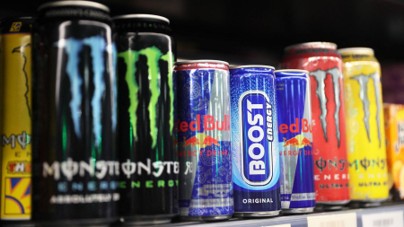
The Welsh Government has launched a new consultation on how it will implement and enforce a ban on the sale of high-caffeine energy drinks to under-16s, confirming its intention to follow UK Government plans for England and introduce legislation under the Food Safety Act 1990. The restriction would apply to drinks containing more than 150mg of caffeine per litre and would cover all retail channels, including vending machines.
The Vending & Automated Retail Association (AVA) revealed in its Policy Edit that unlike the 2022 consultation, which asked whether a ban should be introduced, this exercise assumes the policy will go ahead and instead seeks views on enforcement, penalties, age-verification arrangements, and implementation. The consultation closes on 17 December 2026.
The association says it remains strongly opposed to the decision to pursue a blanket ban covering all vending machines.
“While we support proportionate measures to prevent under-16s accessing products where genuine concerns exist, neither the Welsh nor UK Governments have demonstrated that vending machines are a significant source of under-age purchases. Indeed, both Governments acknowledge that the evidence base remains inconclusive, yet have chosen to proceed regardless.
“The proposal repeats the same fundamental flaw that AVA has challenged in England: it treats a vending machine in a secure workplace exactly the same as one in a publicly accessible location. Approximately 82% of vending machines are located in closed or controlled environments such as offices, warehouses and factories where under-16s simply do not have access. The remaining machines in public-facing locations are already subject to longstanding voluntary industry restrictions which prevent the sale of high-caffeine energy drinks to children.
“The result is a policy that appears designed for simplicity rather than effectiveness. Rather than targeting locations where under-16s may actually purchase these products, the Government is proposing to remove them entirely from vending, restricting access for adults while imposing costs on operators and clients. AVA believes this is disproportionate, unsupported by evidence and difficult to justify when voluntary controls have been operating successfully for many years.”
The AVA continues to argue that a more sensible approach would be to exempt genuinely closed environments where under-16s cannot reasonably gain access, while focusing any restrictions on locations that are genuinely open to young people. Such an approach would protect children without creating unnecessary burdens for operator businesses or restricting adult consumers access to a legal, regulated product.
For members operating in Wales, AVA will be responding to the consultation and making the case for a proportionate, evidence-based framework that reflects how vending machines are actually used in practice, rather than a blanket prohibition that risks becoming another example of regulation driven by perception rather than evidence.
The body has encouraged members operating in Wales to respond to the consultation and continue to urge all members to raise their concerns with their local MPs. Link to consultation: www.gov.wales/restricting-sale-high-caffeine-energy-drinks-children-wales-enforcement