
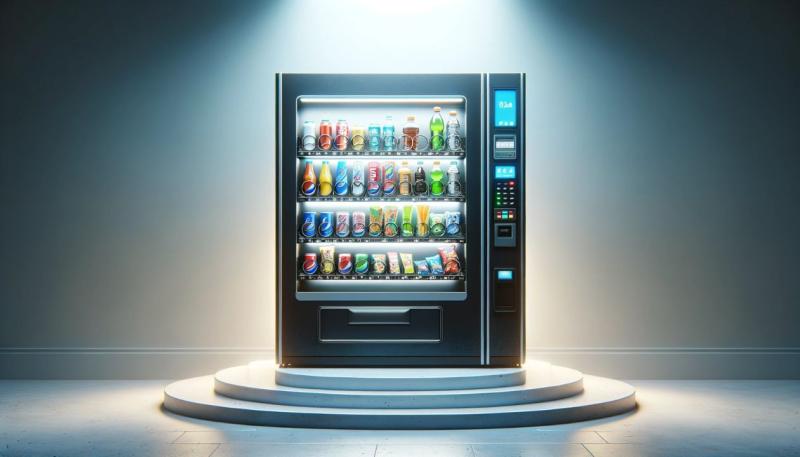
As urbanisation accelerates and demand grows for fast, contactless purchasing, vending is emerging as a vital component of modern retail, delivering convenience, efficiency and increasingly personalised experiences across workplaces, transport hubs and public spaces. A recent report from Market Research Future analyses the current state if the industry and the outlook for the future.
According to the report the vending machine market size was estimated at $23150.0 billion in 2024 is predicted to grow to $45900.0 billion by 2035. It charts how the sector has evolved significantly over the past decade, transforming from simple coin-operated snack dispensers into intelligent retail systems powered by advanced technologies.
Modern vending machines now offer a wide variety of products including beverages, fresh food, electronics, personal care items, and even pharmaceuticals.
With urbanisation accelerating and consumers seeking convenient, contactless purchasing options, vending machines have become an essential component of automated retail.
Businesses, transportation hubs, educational institutions, hospitals, and corporate offices are increasingly deploying these machines to provide round-the-clock access to goods while reducing operational costs associated with staffed retail outlets.
Technological integration has further enhanced the appeal of vending machines. Features such as digital payment systems, touchscreen interfaces, real-time inventory tracking, and remote monitoring have made machines more efficient and user-friendly.
The growing preference for cashless transactions and smart city initiatives has also contributed to market expansion. Additionally, vending machines now support healthier food options and customisable product selections, aligning with changing consumer lifestyles and dietary preferences. These advancements are positioning vending machines not just as convenience tools but as smart retail solutions capable of delivering personalized experiences.
Market drivers and growth factors
Several factors are driving the growth of the vending machine market globally. One of the primary drivers is the increasing demand for convenience in fast-paced urban environments. Consumers are looking for quick, hassle-free purchasing experiences without waiting in queues, especially in high-traffic areas such as airports, metro stations, shopping malls, and office complexes.
Vending machines provide immediate access to products at any time of day, making them ideal for modern lifestyles. Furthermore, the expansion of the working population and longer commuting hours are boosting demand for on-the-go food and beverage solutions.
Another significant growth factor is the rising adoption of cashless payment technologies. Contactless cards, mobile wallets, QR codes, and near-field communication (NFC) payments have made transactions seamless and hygienic, particularly after the global shift toward minimal physical contact.
Operators also benefit from improved revenue tracking and reduced risk of theft or coin handling costs. Additionally, advancements in refrigeration and storage technologies allow machines to offer fresh meals, salads, dairy products, and even hot food, expanding their application beyond traditional snacks and drinks.
Technological advancements and innovations
Innovation plays a crucial role in reshaping the vending machine landscape. Smart vending machines equipped with artificial intelligence, machine learning, and Internet of Things (IoT) capabilities can analyse consumer behaviour, optimise inventory, and predict demand patterns.
This enables operators to restock efficiently and minimise product wastage. Some machines also feature facial recognition or age verification systems to ensure compliance with regulations when selling restricted products. Interactive screens, voice assistance, and multilingual interfaces enhance user engagement and accessibility.
Energy efficiency is another area of technological progress. Manufacturers are developing machines with low-power components, eco-friendly refrigerants, and solar power compatibility to reduce environmental impact and operating costs. Remote diagnostics and predictive maintenance systems help detect faults early, reducing downtime and service expenses. Additionally, modular designs allow operators to update product categories or upgrade components without replacing the entire machine, making vending solutions more flexible and cost-effective.
Regional insights
The vending machine market demonstrates varied growth patterns across different regions. Developed economies with high urban density and strong technological infrastructure have historically dominated the market. However, emerging economies are now witnessing rapid adoption due to expanding middle-class populations, modernisation of retail infrastructure, and increasing investments in smart city projects. Urban centres in developing regions are particularly attractive for vending machine deployment because of high foot traffic and limited retail space.
Cultural preferences also influence product offerings across regions. For example, some markets prioritise hot beverages and ready-to-eat meals, while others emphasize cold drinks and packaged snacks.
Local manufacturers are adapting machines to meet regional tastes, dietary habits, and regulatory requirements. Government initiatives promoting digital payments and automation further support market expansion. As public transportation networks grow and commercial real estate developments increase, the demand for unattended retail solutions is expected to rise steadily worldwide.
Competitive landscape
The vending machine market is highly competitive, with numerous global and regional players striving to differentiate themselves through innovation, product diversity, and service quality.
Companies are investing heavily in research and development to introduce smarter, more reliable machines with enhanced user experiences.
Strategic partnerships with food brands, beverage companies, and technology providers are common, enabling operators to offer popular products and integrate advanced payment systems.
Mergers and acquisitions are also shaping the competitive landscape, allowing firms to expand their geographic presence and technological capabilities.
Customer support and maintenance services have become key competitive factors as well. Operators seek vendors who can provide comprehensive solutions including installation, remote monitoring, restocking logistics, and after-sales support.
Subscription-based models and revenue-sharing agreements are emerging as attractive business approaches, reducing upfront costs for clients while ensuring continuous service quality.
As competition intensifies, differentiation through sustainability initiatives, customisation options, and data-driven insights will play an increasingly important role.
Challenges and opportunities
Despite strong growth prospects, the vending machine market faces several challenges. High initial investment costs, particularly for advanced smart machines, can be a barrier for small operators.
Maintenance requirements, power consumption, and vandalism risks also pose operational challenges in certain locations. Additionally, product spoilage can occur if machines are not restocked efficiently or if demand forecasting is inaccurate. Regulatory compliance related to food safety, health standards, and consumer protection must also be carefully managed.
However, these challenges are accompanied by substantial opportunities. The rise of unattended retail stores, micro-markets, and automated kiosks is expanding the scope of vending technologies beyond traditional machines.
Integration with e-commerce platforms enables click-and-collect services, where customers can retrieve online orders from secure vending lockers.
Corporate offices are adopting smart vending solutions as part of employee wellness programs, offering nutritious snacks and beverages.
Furthermore, the growing focus on sustainability is encouraging the development of machines that dispense reusable containers or reduce packaging waste.
Future trends and market outlook
Looking ahead, the vending machine market is poised for continued transformation driven by digitalisation and changing consumer expectations.
Personalisation will become a major trend, with machines recommending products based on purchase history, time of day, or demographic data.
Integration with mobile apps will allow users to pre-order items, locate nearby machines, and receive loyalty rewards. Autonomous delivery systems and robotic restocking may further enhance operational efficiency.
Health-focused offerings are also expected to expand as consumers become more conscious of nutrition and wellness. Machines dispensing fresh fruit, protein bars, organic beverages, and dietary-specific products will gain popularity.
Additionally, hybrid machines capable of serving multiple categories-from food to electronics-will maximise revenue potential per location.
As urban populations grow and retail spaces become more expensive, vending machines will serve as scalable, low-overhead retail alternatives.
In conclusion, the vending machine market represents a dynamic intersection of convenience, technology, and retail innovation.
With continuous advancements in smart systems, payment solutions, and product diversity, vending machines are evolving into fully automated micro-stores capable of meeting modern consumer demands.
Businesses that embrace these innovations and adapt to regional preferences will be well positioned to capitalise on the expanding opportunities in this rapidly growing market.