
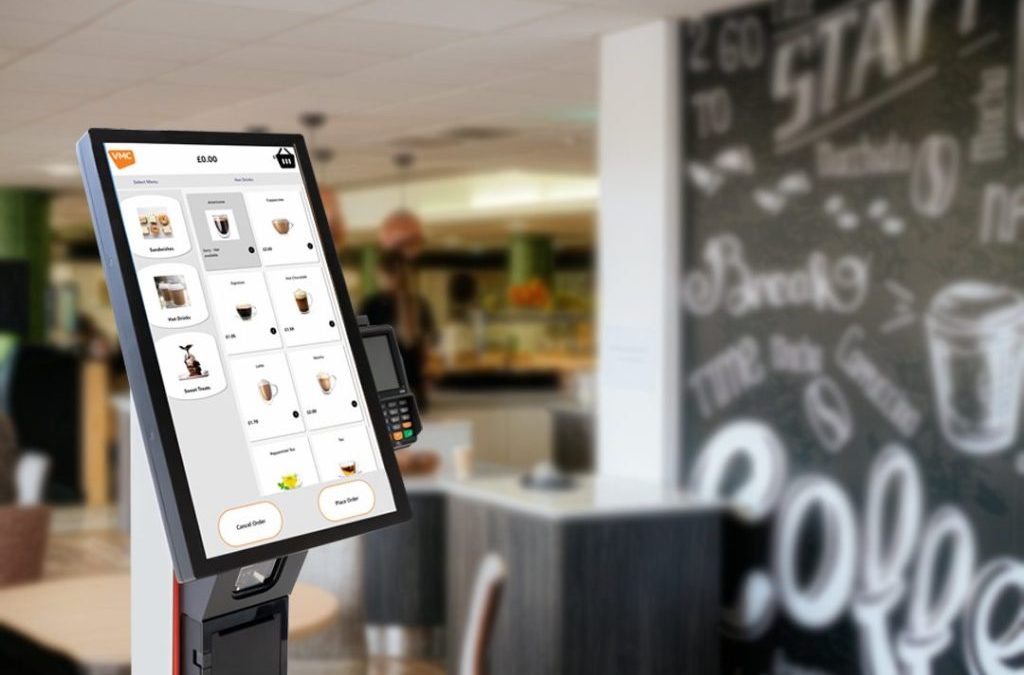
Going into 2026, payment systems continue to sit at the heart of innovation in vending and automated retail. As consumer expectations sharpen around speed, convenience and personalisation, the market is moving even further toward frictionless, tech-enabled experiences that mirror the best of modern retail.
A major part of this evolution is the continued growth of micro markets, smart vending machines and smart fridges. These formats rely heavily on sophisticated payment technology to deliver their full value. Micro markets, increasingly common in workplaces, offer an open-shelf shopping experience supported by self-checkout kiosks or mobile payments. Their success depends on fast, reliable transaction flows and hybrid payment options from cashless and contactless to account-based and app-driven purchases.
For operators, the benefits extend far beyond the transaction. Advanced payment systems provide real-time insights into buying behaviour, product performance and location-level trends, helping operators optimise stock, tailor promotions and improve the customer experience.
Chris Ives of VMC says: “Integrating mobile phones and apps into the customer journey is becoming essential to unlocking these opportunities. “Apps enable loyalty schemes, rewards and push notifications that can influence purchasing decisions and build habits over time. Even small enhancements such as adding interactive screens to payment terminals can significantly boost engagement at the point of sale.” His point reflects a broader shift: payment technology is no longer just about taking money it is now a core engagement tool.
Looking ahead, the outlook for 2026 is strong. Continued investment in multi-function payment systems will underpin the wider digitalisation of automated retail, enabling operators to personalise offers, streamline operations and unlock new revenue opportunities. For future-focused operators, payment technology remains the most powerful tool for transformation.