
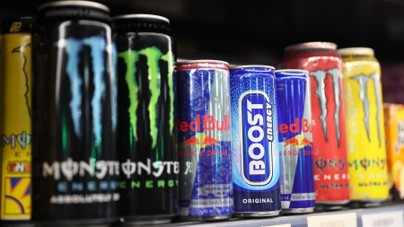
The Department of Health and Social Care (DHSC) has now published the outcome of its consultation on banning the sale of high-caffeine energy drinks to children. The Government has confirmed its intention to introduce legislation that will make it illegal to sell high-caffeine energy drinks to under-16s in England and, of particular significance to the vending industry, introduce a blanket ban on the sale of these products from vending machines.
The Vending & Automated Retail Association (AVA) has commented as follows…
“Under the proposals, any drink containing more than 150mg of caffeine per litre (excluding tea and coffee) will fall within scope of the legislation. The Government has decided that these products cannot be sold from vending machines, regardless of where those machines are located. This means the ban will apply equally to machines situated in factories, warehouses, workplaces, staff rooms, adult-only gyms, and transport hubs, as well as publicly accessible sites. The person who controls or manages the premises where the machine is located will be legally liable for compliance.
“The Government intends to bring the legislation into force on 6 April 2027, subject to Parliamentary approval. Before then, regulations will need to be drafted, laid before Parliament, and pass through the required scrutiny process.
“The AVA is extremely disappointed by this outcome. Throughout the consultation process, the industry provided evidence demonstrating that more than 82% of vending machines are located in sites that do not permit access to children, while the sector has operated voluntary restrictions on the placement and sale of energy drinks for many years. The association also highlighted the estimated £43 million annual cost that a blanket ban would impose on the vending industry, along with the potential impact on jobs, investment, and business viability.
“Despite this evidence, the Government has rejected both a location-based approach and the use of age-verification technology. Its decision rests largely on concerns around ease of enforcement and regulatory simplicity rather than evidence that vending machines are a significant source of underage purchases. Indeed, the consultation outcome acknowledges that the evidence linking energy drink consumption to many of the harms cited is “not definitive” and that causation cannot be established. Nevertheless, the Government has chosen the most restrictive option available.
“At this stage, you do not need to make immediate changes. However, members should begin assessing the potential impact on their businesses, reviewing product ranges, identifying affected machines, and considering possible replacement products should the legislation proceed in its current form. We also encourage members to quantify the commercial impact the ban will have on their operations, as this information may prove valuable in our ongoing engagement with the Government.
“AVA is now carefully preparing for the publication of the forthcoming legislation. It will set out in detail how vending machines, and other automated retail arrangements, will be regulated. We are now engaging directly with policy makers to ensure the industry’s concerns are head. We have challenged the lack of evidence relating specifically to vending machine sales. We will scrutinise the Government’s impact assessment, and continue making the case for a more proportionate, risk-based approach that protects children without imposing unnecessary restrictions on responsible operators and adult consumers.
“This consultation outcome is extremely disappointing, but it is not the end of the process. The legislation has yet to be drafted and approved by Parliament, and the AVA will continue to represent members’ interests at every stage.
“We encourage all members to engage with this process by contacting their local MP. Explain how this proposal will affect your business, your customers and your ability to operate. Personal accounts from operators can make a real difference in getting MPs to understand the practical consequences of the proposed legislation. Now is the time to make your voice heard and ensure your concerns are heard.”