
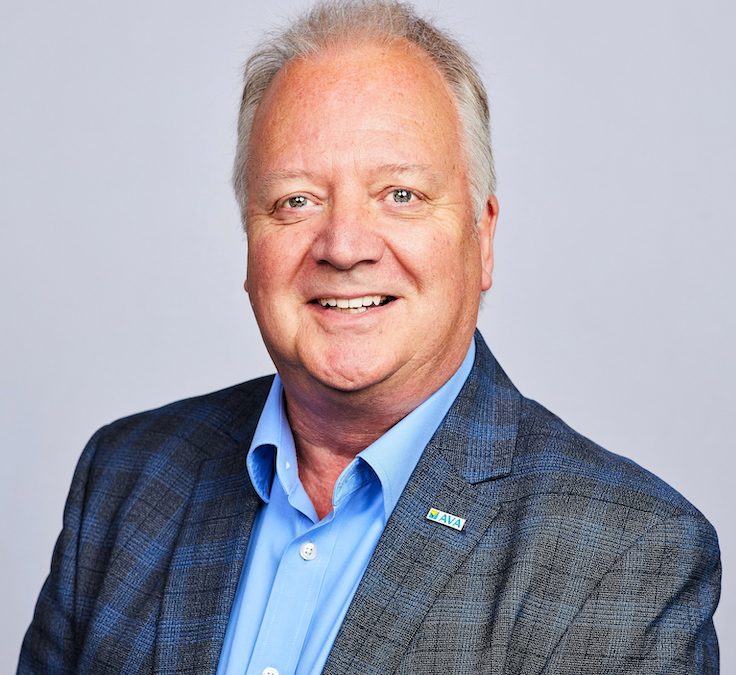
As the vending and automated retail sector looks ahead to 2026, the pace of regulatory change is set to shape the market as much as technology and consumer behaviour. David Llewellyn, chief executive of the AVA, outlines the forces he believes will define the year ahead — from the impact of new HFSS rules and potential restrictions on energy drinks to evolving systems for packaging and waste management
As we look ahead to 2026, the UK vending and automated retail sector is entering one of its most transformative periods yet. What was once considered a purely convenience-driven service has evolved into a sophisticated, data-enabled retail channel that responds directly to how and where people work, travel and socialise. The industry’s adaptability, proven through recent challenges with packaging legislation and energy drink potential bans, continues to drive innovation across technology, sustainability and consumer experience.
Defining trends for 2026
Digitalisation, diversification and sustainability are the three themes shaping the year ahead. Automated retail is no longer just about dispensing products; it’s about creating connected, intelligent and tailored retail experiences that complement traditional outlets. Operators are expanding well beyond coffee and snacks into fresh food, functional products, micro-markets and multi-channel formats.
This evolution comes as broader sustainability goals, new legislation and shifting consumer habits redefine how products are packaged, distributed and recovered. Through smarter solutions and responsible operations, AVA members are investing in an industry that is cleaner, more efficient and more responsive than ever.
Packaging, sustainability and the circular economy
Packaging lies at the heart of change. With the recently introduced Extended Producer Responsibility (EPR) and the UK’s Deposit Return Scheme (DRS) remaining on the table for 2027, vending operators are rethinking their product delivery and waste recovery as necessary in new legislation to avoid costly fines. The sector is uniquely placed to aid these reforms: smart vending technologies can integrate reverse-vending functions, track recycling data in real time and even reward sustainable choices.
The DRS, initially covering PET plastic, aluminium and steel drink containers, presents both challenge and opportunity, requiring machines that can collect as well as vend. DRS is well established across many countries and early UK trials, such as those with Coca-Cola Europacific Partners in Scotland, have shown that consumers respond positively when recycling is made convenient and rewarding.
At the same time, sustainability ambitions run deeper. Across the AVA community, the focus is on reducing single-use materials, adopting recyclable and compostable packaging and designing energy-efficient equipment with lower carbon impact.
Regulation and consumer choice
Legislative shifts around high fat, salt and sugar (HFSS) products and restrictions on free refills for sugary drinks are reshaping vending menus. These changes are opening the way for low- and zero-sugar options, functional beverages, and plant-based alternatives, all areas where vending’s agility and responsiveness provide a clear advantage. Consumers now expect vending to meet the same standards they find elsewhere: visible freshness, nutritional clarity, cashless payment, and ethical sourcing.
Trust and transparency matter more than ever. Customers care where products come from and how responsibly they are delivered. Operators who combine hygiene, reliability and transparency while offering modern, engaging interactions will lead in this new era of expectations.
The role of technology
Technology continues to underpin vending’s transformation. Smart systems, cashless and contactless payment,and real-time data analytics are now central to operational excellence. These tools not only improve convenience for consumers but also allow operators to analyse purchasing behaviour, optimise routes, reduce waste and dynamically tailor product ranges.
AI and automation are becoming valuable allies. Predictive analytics supports proactive maintenance and demand forecasting, while future applications could personalise recommendations at the point of purchase. The greatest opportunity lies in using technology to augment, not replace, human expertise and keep service quality and insight at the centre of every interaction.
Looking ahead
Despite broader economic pressures, the outlook for 2026 is bright. Consumers increasingly choose automated retail for reliability, convenience and sustainability, not just affordability. Stronger collaboration across suppliers, manufacturers and site owners will continue to embed common sustainability goals and best practices ensuring the industry remains agile, competitive and responsible.
At the AVA, our focus remains on supporting members through research, standards and shared learning. As automation, sustainability and digital connectivity converge, the UK’s vending and unattended retail industry stands ready to lead the next phase of modern retail, delivering quality, innovation and trust wherever consumers are.